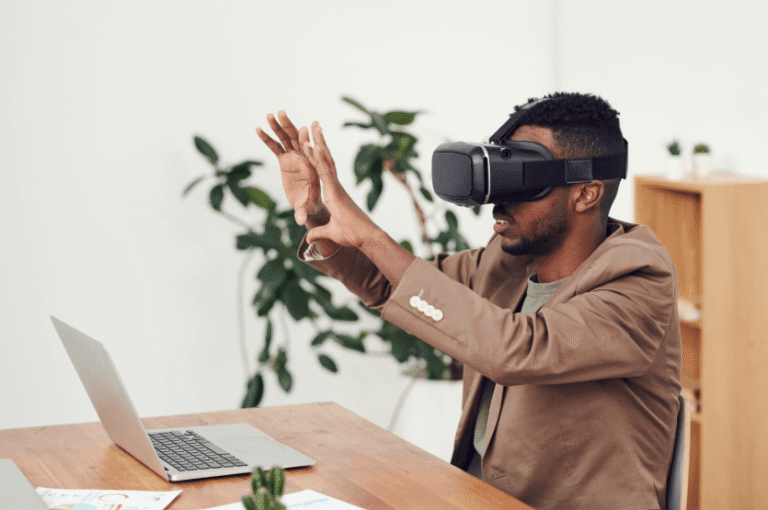
Augmented reality (AR) is increasingly influencing modern shopping experiences by enhancing customer engagement and product visualization. Retailers are utilizing AR technology to create immersive environments that facilitate interaction with products in realistic contexts. This shift not only boosts consumer confidence but also has implications for return rates and brand loyalty. As AR continues to integrate into retail strategies, its role in shaping the future of shopping raises critical questions about its long-term impact and effectiveness.
Enhancing Customer Engagement Through AR Experiences
As retailers increasingly integrate augmented reality (AR) into their shopping experiences, they have found that this technology significantly enhances customer engagement.
By leveraging personalized recommendations and interactive storytelling, AR fosters deeper emotional connections between consumers and brands.
Data reveals that immersive experiences can increase purchase intent by up to 30%, highlighting AR’s potential to revolutionize how customers interact with products in a liberated shopping environment.
See also: The Role of AI in Smart City Infrastructure
Transforming Product Visualization and Try-On Solutions
The integration of augmented reality (AR) is not only enhancing customer engagement but also transforming how consumers visualize products and try them on before making a purchase.
Virtual fitting rooms and interactive displays allow customers to experience products in a lifelike manner, significantly influencing their decision-making.
This technology empowers shoppers, promoting confidence and satisfaction while redefining conventional retail limitations in product interaction.
Driving Sales and Reducing Returns With AR Technology
While traditional retail strategies often struggle with high return rates, the adoption of augmented reality (AR) technology is proving to be a game-changer in driving sales and minimizing product returns.
By enabling virtual fitting experiences, AR enhances customer confidence, allowing consumers to visualize products accurately before purchase.
This not only increases satisfaction but also significantly decreases the likelihood of returns, benefiting retailers and customers alike.
Conclusion
In conclusion, augmented reality is not merely a technological trend but a pivotal force reshaping retail dynamics. A recent study revealed that 61% of consumers prefer shopping at retailers offering AR experiences, highlighting its significant impact on customer choice. As AR continues to enhance engagement and visualization, its role in driving sales and minimizing returns becomes increasingly evident. The integration of AR technology represents a critical strategy for retailers aiming to foster deeper connections with consumers and thrive in a competitive market.