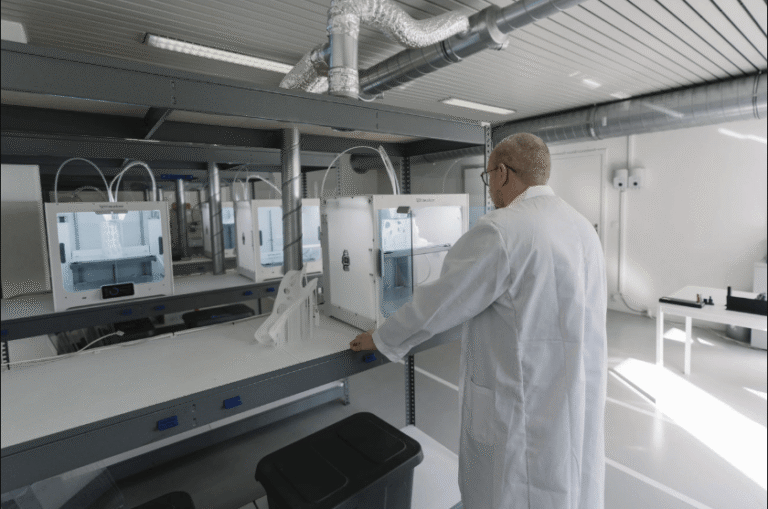
3D printing significantly alters the landscape of modern manufacturing. Its capacity for rapid prototyping and customization allows for innovative design solutions. Industries such as automotive and aerospace are adopting this technology to enhance efficiency and reduce waste. Additionally, the method promotes localized production, aligning with sustainability goals. As these developments unfold, the implications for traditional manufacturing practices warrant closer examination. What might this mean for the future of production and design?
The Advantages of 3D Printing in Manufacturing
While traditional manufacturing methods often involve complex supply chains and extensive tooling, the advent of 3D printing offers significant advantages that streamline production processes.
This technology enhances cost efficiency by reducing material waste and eliminating the need for extensive tooling.
Furthermore, it provides unparalleled design flexibility, allowing for intricate geometries and rapid prototyping, empowering manufacturers to innovate without the constraints of conventional production techniques.
See also: The Rise of Smart Homes: What to Expect in the Next Decade
Applications of 3D Printing Across Various Industries
As industries increasingly embrace the capabilities of 3D printing, a wide array of applications emerges, reshaping traditional practices.
Automotive prototyping and aerospace components benefit from rapid iteration, while medical devices gain personalized designs.
Consumer products and fashion designs explore innovative aesthetics.
Additionally, architectural models and educational tools enhance visualization, and industrial tooling improves efficiency, demonstrating the versatile impact of 3D printing across various sectors.
Future Trends in 3D Printing Technology
The future of 3D printing technology is poised for transformative advancements, driven by innovations in materials, automation, and integration with digital design workflows.
Key trends include enhanced sustainability impacts through the use of eco-friendly materials and processes, alongside significant material innovations that expand application potential.
These developments are set to revolutionize manufacturing, offering greater efficiency, customization, and a reduced environmental footprint.
Conclusion
In the grand tapestry of modern manufacturing, 3D printing emerges as a master weaver, intricately threading innovation and efficiency into the fabric of production. Like a skilled artisan shaping clay, it molds complex ideas into tangible realities, minimizing waste and maximizing creativity. As industries evolve, this versatile tool not only enhances design capabilities but also fosters a sustainable landscape, heralding a future where traditional practices are transformed into a finely crafted mosaic of adaptability and precision.